

Patient Simulator

A tablet-based experience designed to help pharmaceutical sales reps translate complex clinical trial data into clear, confident conversations with healthcare providers.
The tool enables reps to simulate patient scenarios, explore treatment outcomes, and communicate evidence in a more intuitive and structured way.

Role

Senior Product Designer

Scope

End-to-end product design (UX/UI, research, prototyping, testing), Development

Deliverables

  • End-to-end product experience
  • Interactive prototype for testing and validation
  • Data visualization system for clinical results
  • Scalable UI patterns for future studies

Team

6 Designer · Product Manager · Clinical SMEs · Engineering Team · Brand & Content Partners

Case Summary

The Challenge

Clinical trial data is complex, dense, and difficult to communicate in real-time conversations.
Sales reps needed a way to:

  • quickly access relevant patient data
  • translate it into clear narratives
  • confidently explain treatment impact to HCPs
  • Iterated through usability testing with real users

At the same time, the experience had to balance scientific accuracy with simplicity, without overwhelming users.

Approach

We focused on transforming the experience from a data-heavy tool into a conversation support system.

  • Simplified complex datasets into structured, scannable modules
  • Prioritized key insights over full data exposure
  • Designed flows that align with real sales rep behavior
  • Iterated through usability testing with real users

Impact

  • Enabled sales reps to communicate complex clinical data with greater clarity and confidence
  • 100% of test participants successfully interpreted key data points
  • Increased confidence in explaining treatment outcomes during HCP conversations
  • Drove strong stakeholder buy-in, leading to expansion across additional clinical studies

Design Process

Discovery & Ideation

  • Understand the problem and user workflow and clinical data complexity
  • User research and understanding workflows
  • Initial wireframes

Prototype and Test

  • Build Mid-fi clickable prototype
  • Usability testing
  • User testing report

Visual design

  • User test wireframe updates
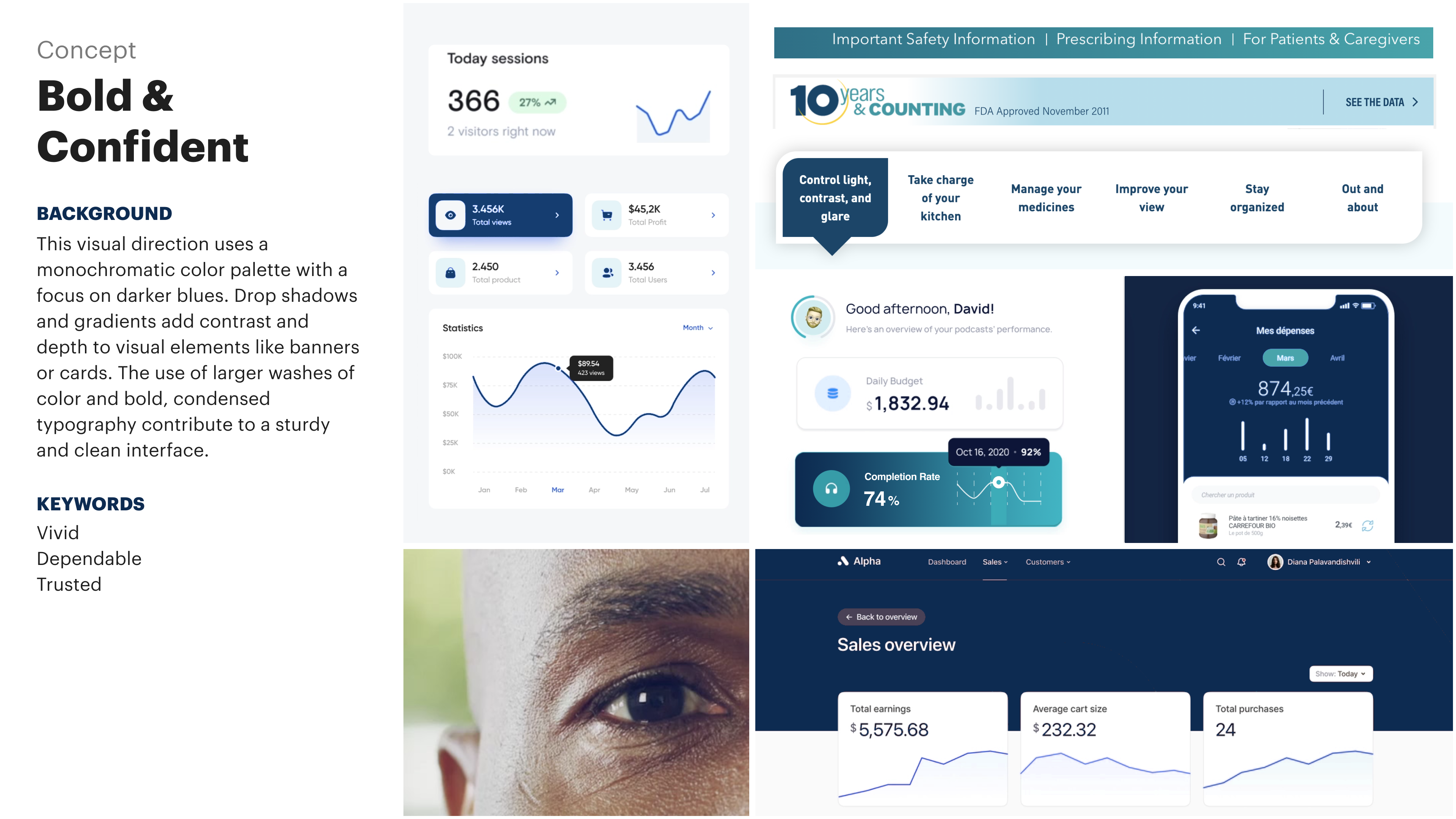
  • Mood board exploration
  • UI Hi-FI Wireframes

Built

  • UI Screens production
  • Build visual style guide
  • Coordinate fabrication

Discovery & Ideation

We conducted workshops and usability sessions with sales reps to understand how they currently navigate and communicate clinical data.
The goal was to identify:

  • Where friction exists
  • How reps prepare for conversations
  • What information actually matters in practice

Key Insights:

  • Sales reps don’t need full datasets, they need clear talking points
  • Time with HCPs is limited, information must be fast and scannable
  • Confidence comes from understanding the story, not memorizing data
  • Preparation happens before meetings, not during
  • Preparation happens before meetings, not during

These insights shifted the direction from data exploration → conversation enablement

Our Users

Sales Reps

Sales reps are responsible for communicating complex clinical information to HCPs in a clear and persuasive way.
They need tools that:

  • support real-time conversations
  • reduce cognitive load
  • increase confidence when explaining treatment outcomes

HCPs (indirect user)

Healthcare providers are the audience of these conversations.
They expect:

  • clear, accurate information
  • relevant patient scenarios
  • fast understanding of treatment impact

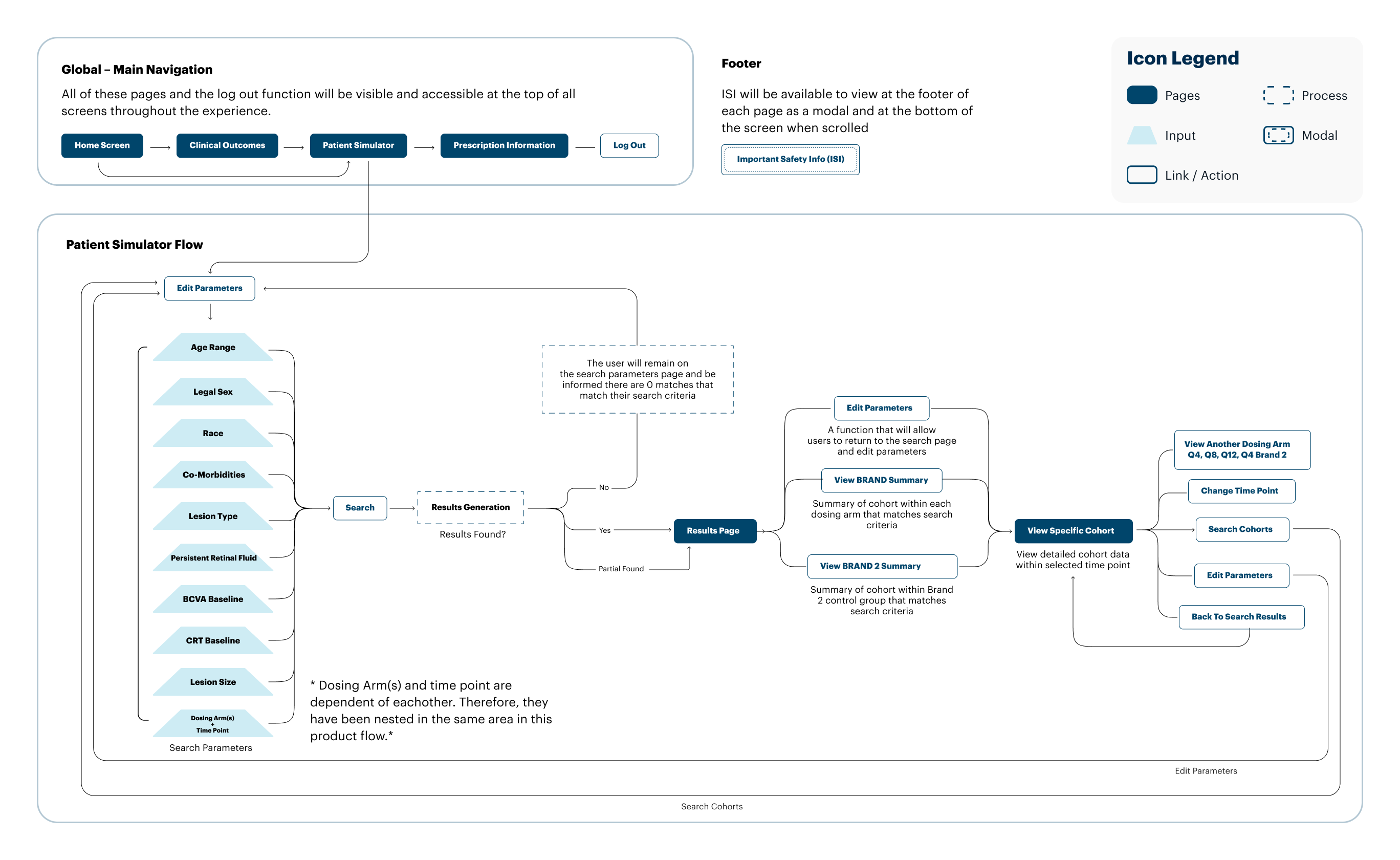
Site map

The experience was structured to support a guided workflow, allowing users to:

  • define patient parameters
  • explore cohort results
  • interpret treatment outcomes

The architecture prioritizes clarity and progressive disclosure, ensuring users are not overwhelmed.

Information architecture designed to support multiple clinical study scenarios and cohorts.

Prototype & Testing

High-fidelity prototypes were developed and tested with representative users to validate navigation clarity, content hierarchy, and conversational flow.

Testing Goals:

  • Validate information findability
  • Measure clarity of treatment scenarios
  • Assess conversational usability during live simulations
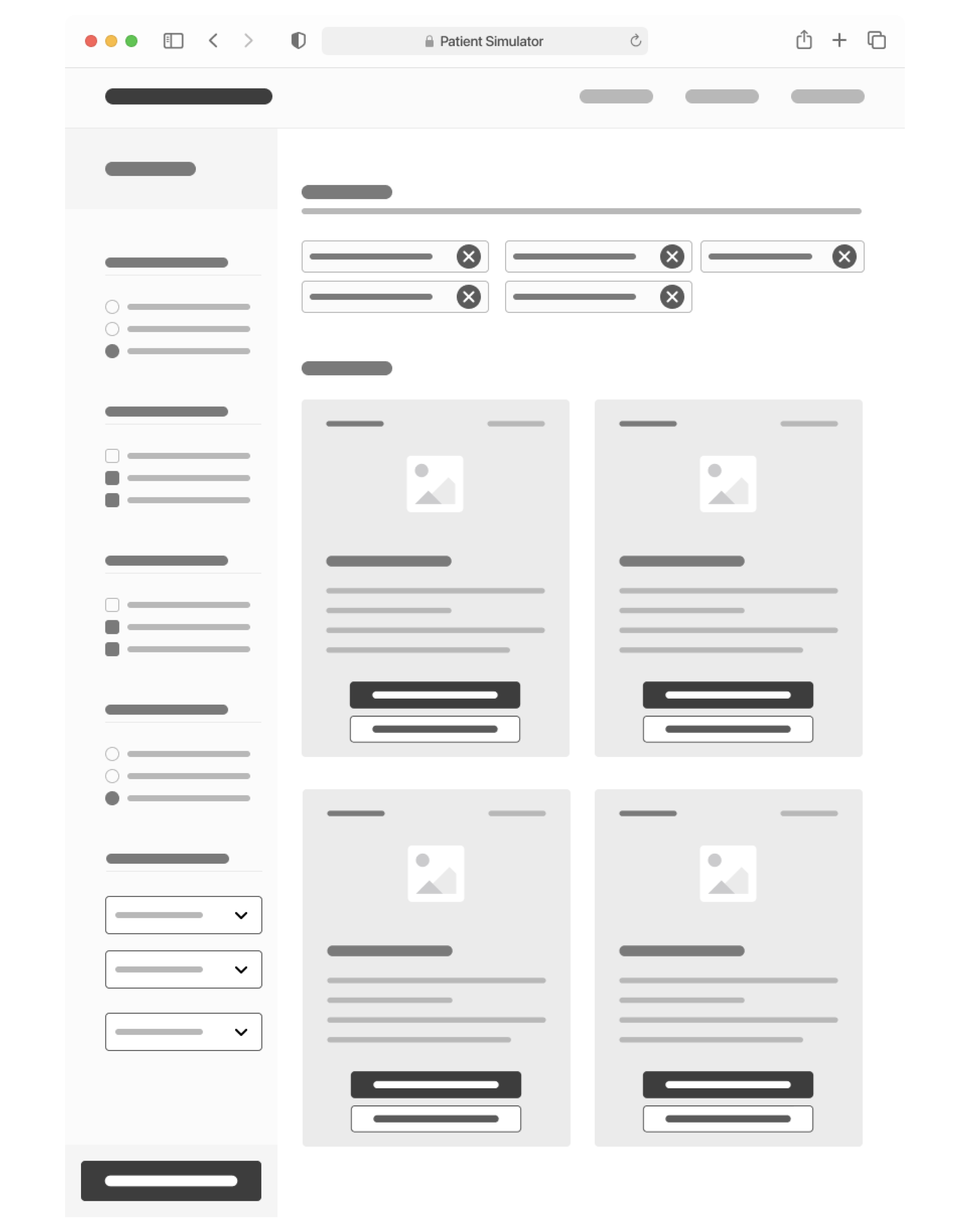
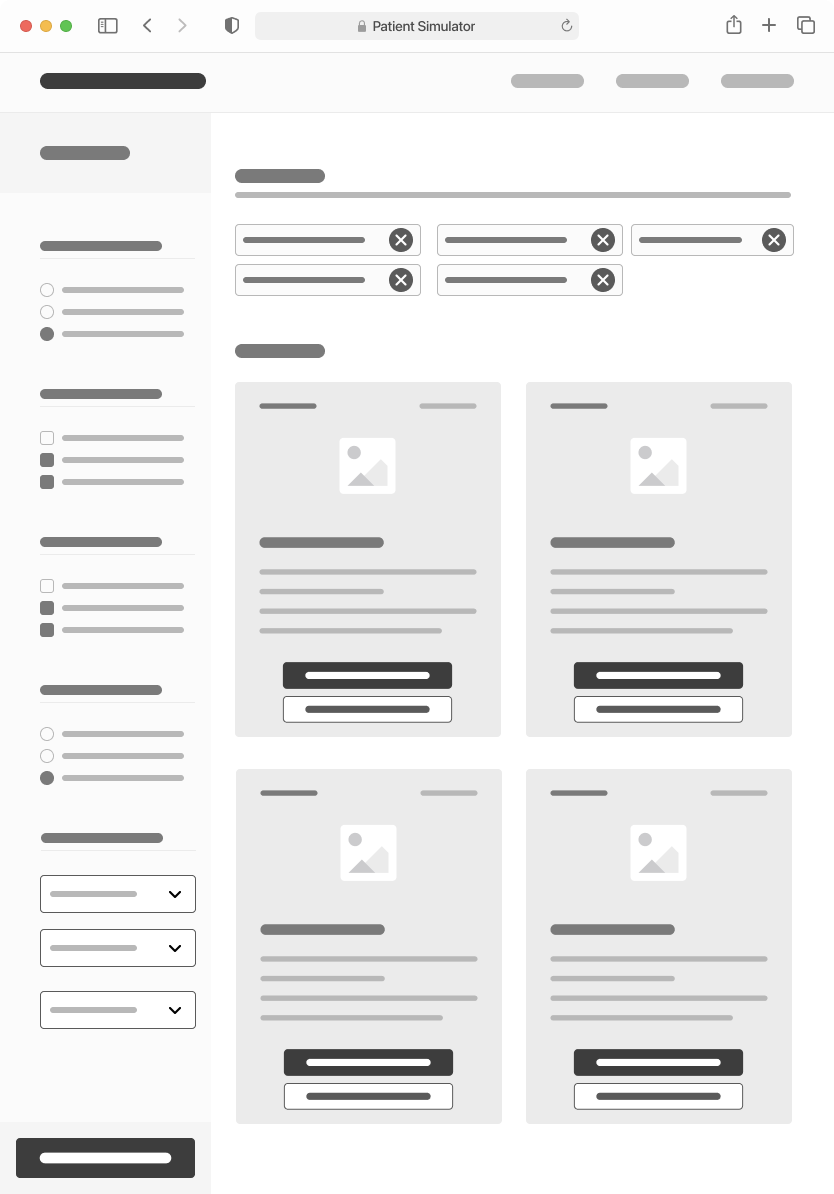
Low-Fi wireframe
Mid-Fi wireframe + Prototype

Key Outcomes

We tested the mid-fi prototype with potential users (sales reps) with 2 different kinds of test
Moderated Usability Tests: Conducted a usability test with 2 of the client's sales reps.
Collaborative Workshop: Collaborative workshop with the field advisory board to demo the prototype (10 sales reps)

Moderated usability sessions confirmed:

  • Strong alignment with real rep workflows
  • Improved clarity when explaining treatment differentiation
  • Faster navigation compared to legacy materials
  • High stated intent to adopt in future HCP engagements

12/12

Users agreed the product will be impactful during their meetings with the HCPs

"

“A more intuitive way of navigating clinical information.”
- User 4

"

100%

of users agreed the product would be impactful in HCP conversations

  • Users showed high confidence in explaining treatment outcomes
  • Simplified layouts significantly improved speed of understanding
  • The product supports storytelling, not just data access
  • High stated intent to adopt in future HCP engagements

Visual Direction

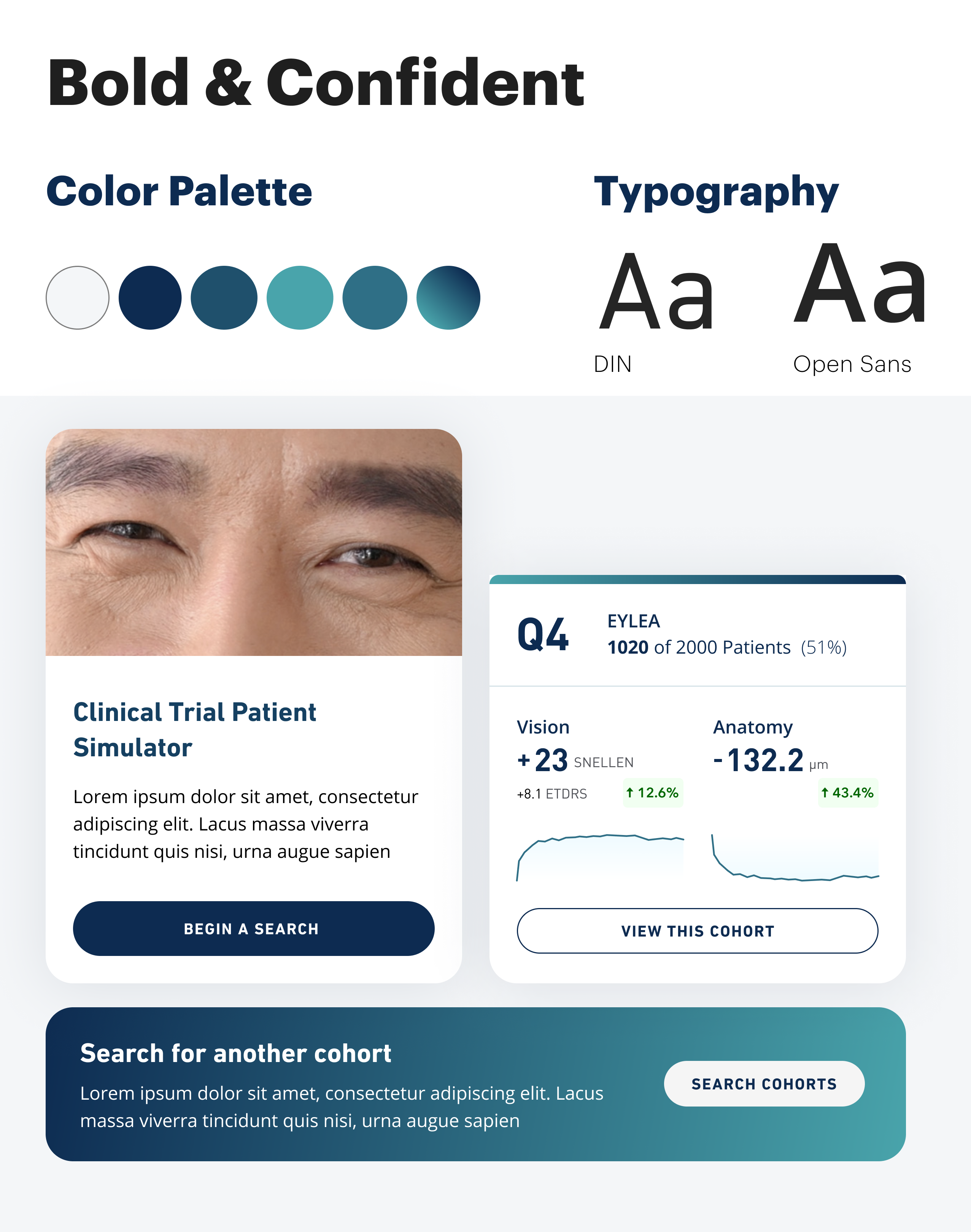
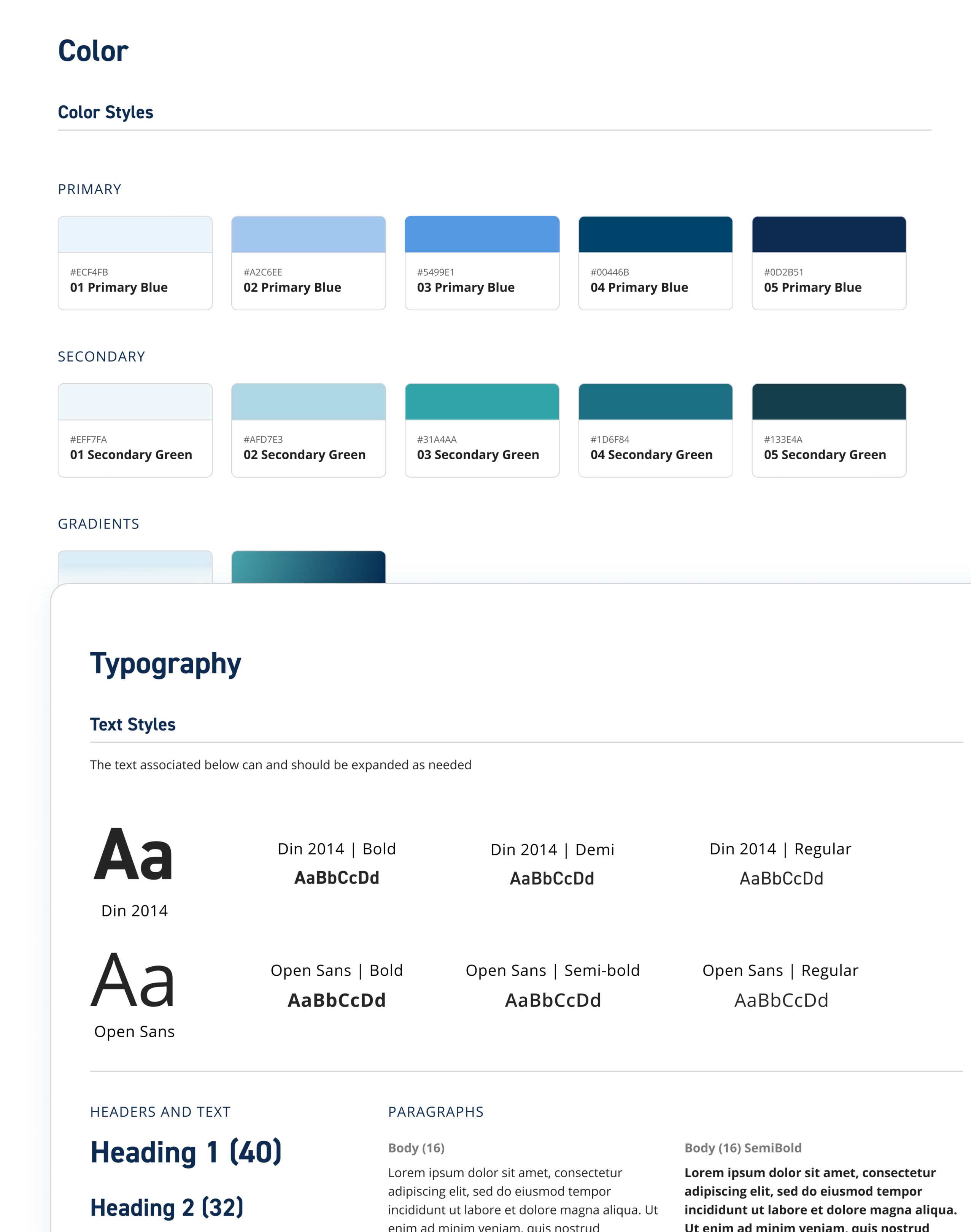
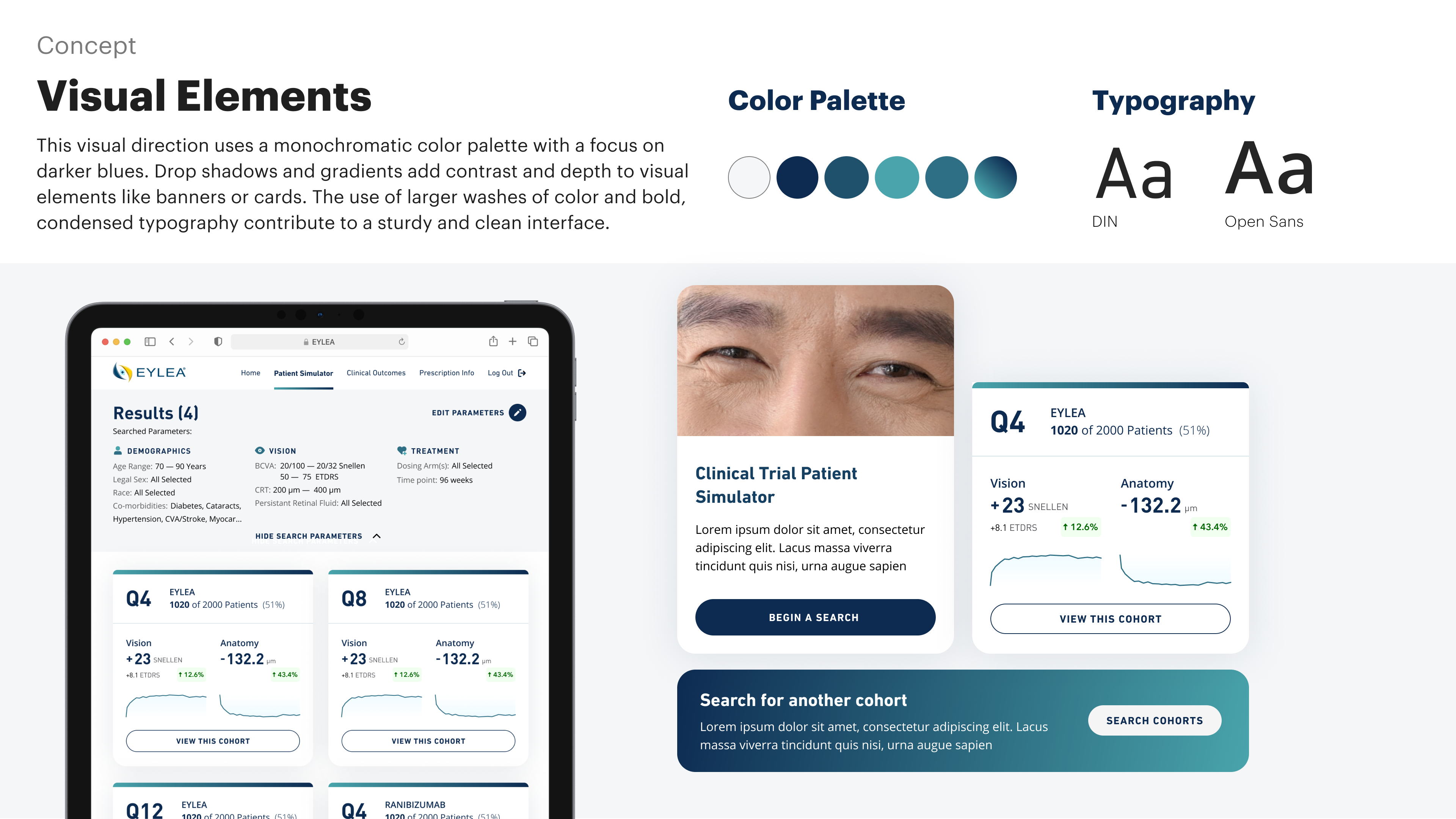
I established a modular UI system that balanced clinical precision with conversational clarity.
The visual language emphasized hierarchy, accessibility, and reusable components to ensure scalability across medications while aligning with brand standards.

Design Solution

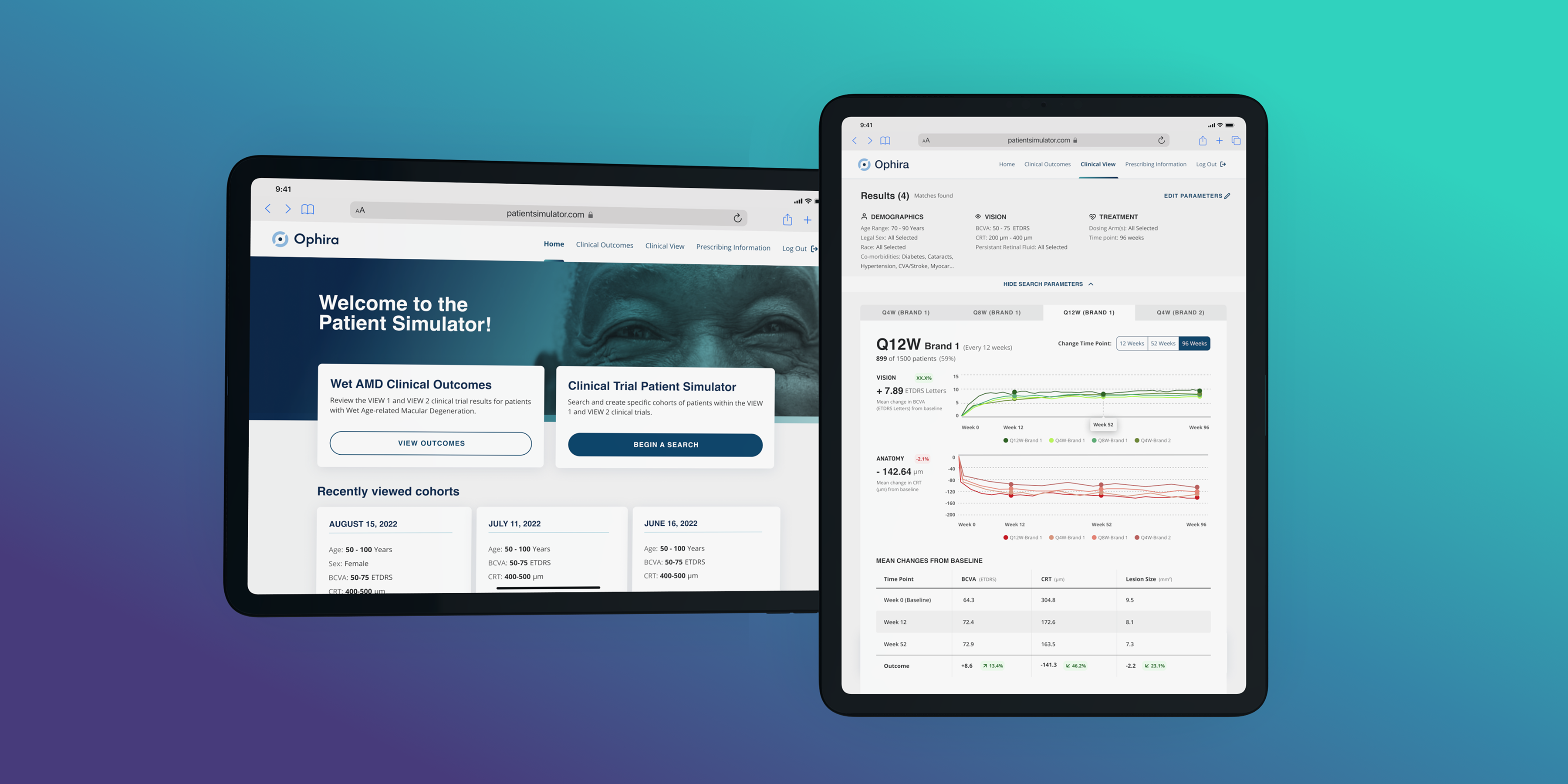
The final solution was a tablet-responsive web application built around scenario-driven navigation rather than static content.
The experience enabled sales reps to move fluidly between treatment scenarios while clearly communicating clinical value in real time.

Landing Page
Cohort Details
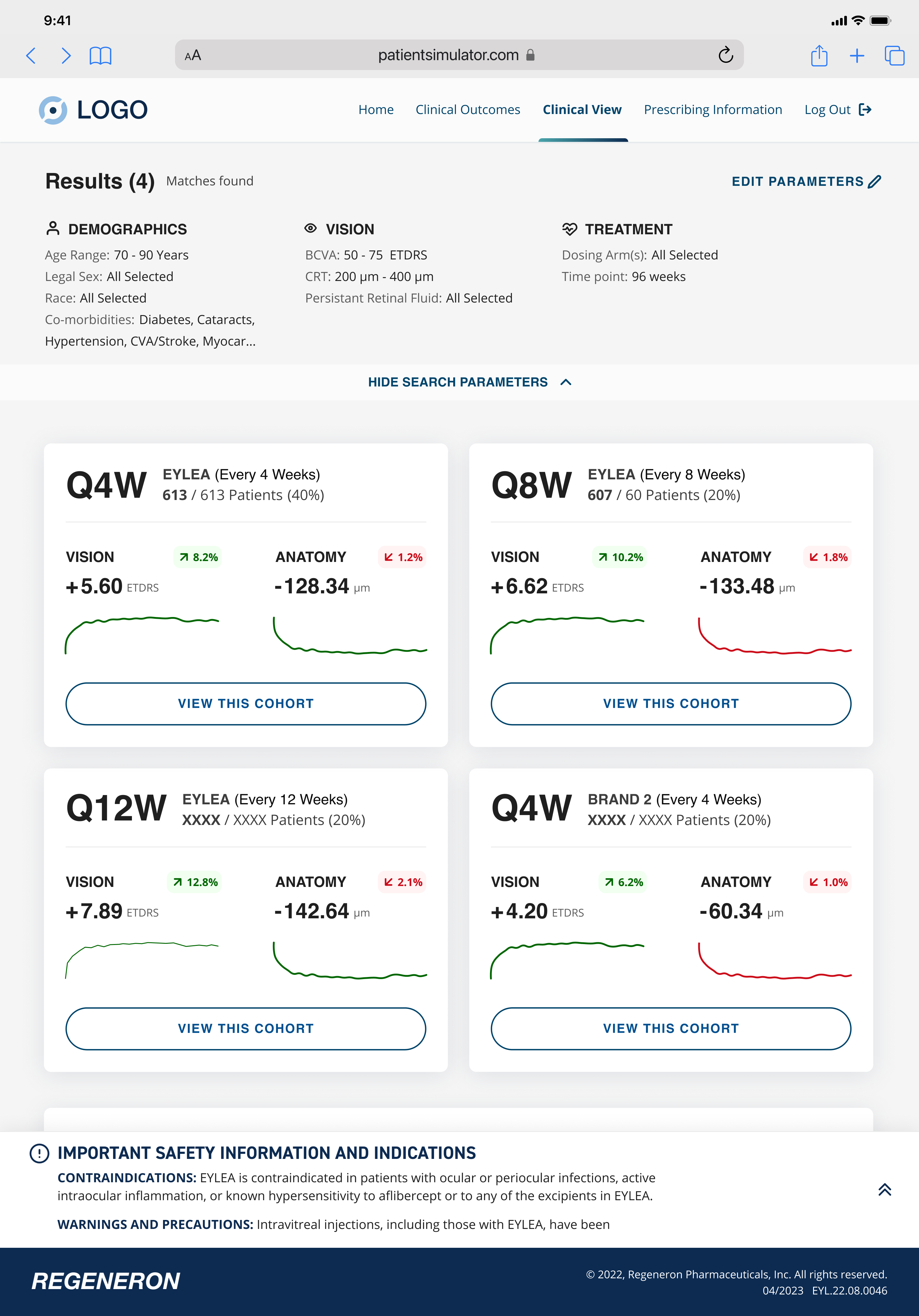
Results
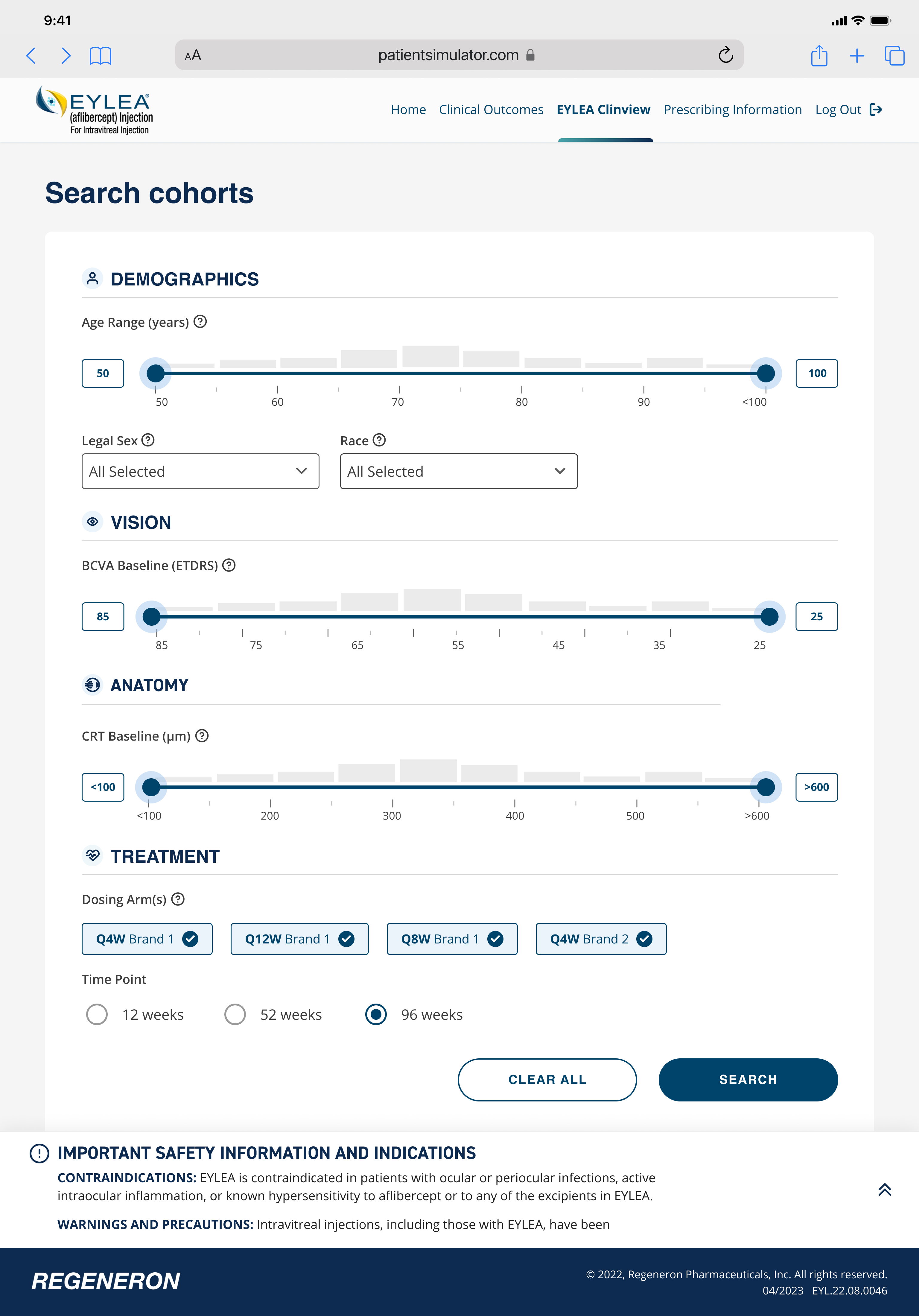
Search Cohorts

Impact

  • Enabled sales reps to communicate complex clinical data with greater clarity and confidence
  • Improved comprehension of key data points across all test participants
  • Accelerated internal adoption and stakeholder buy-in
  • Led to expansion of the approach across additional clinical studies

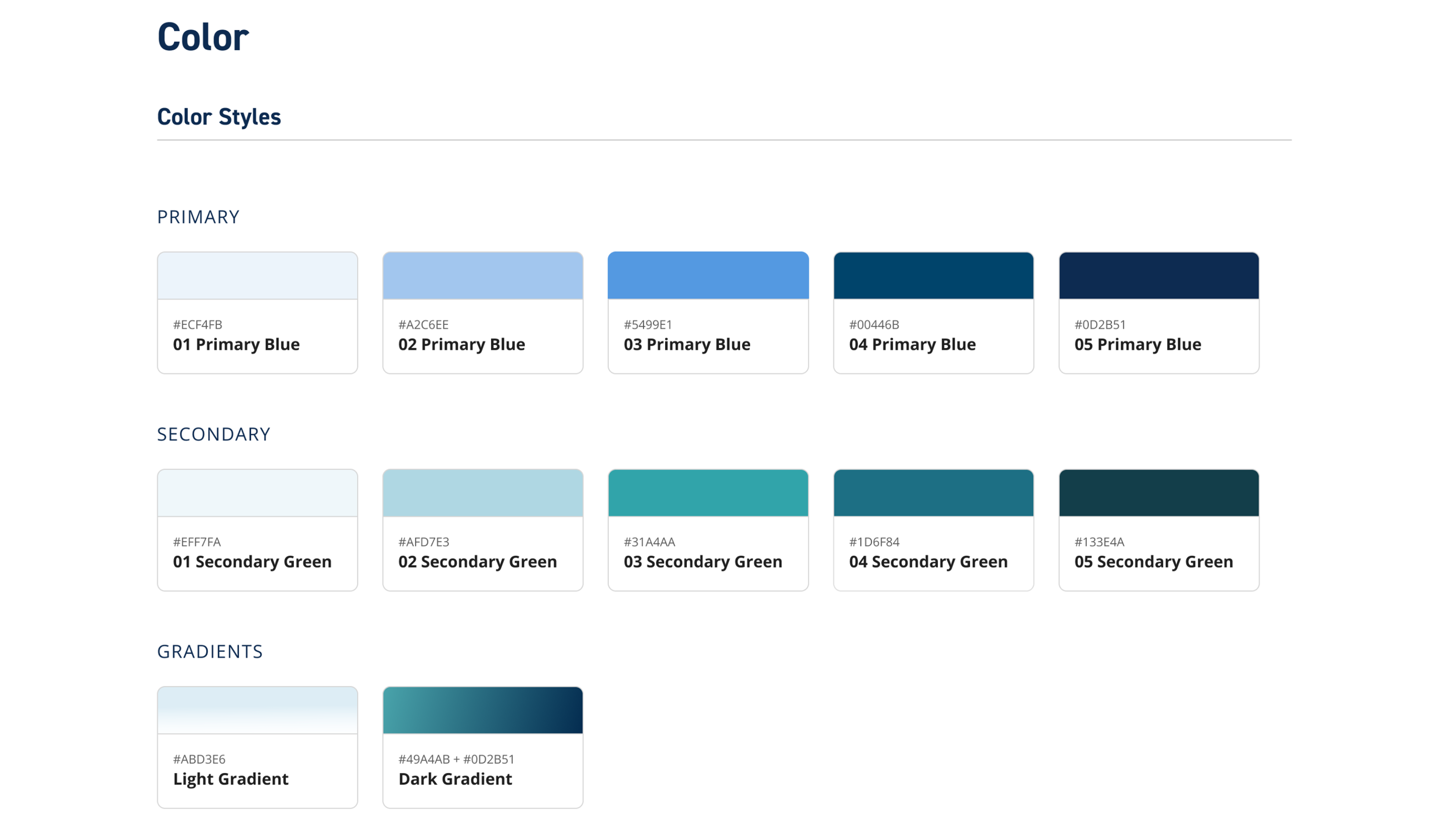
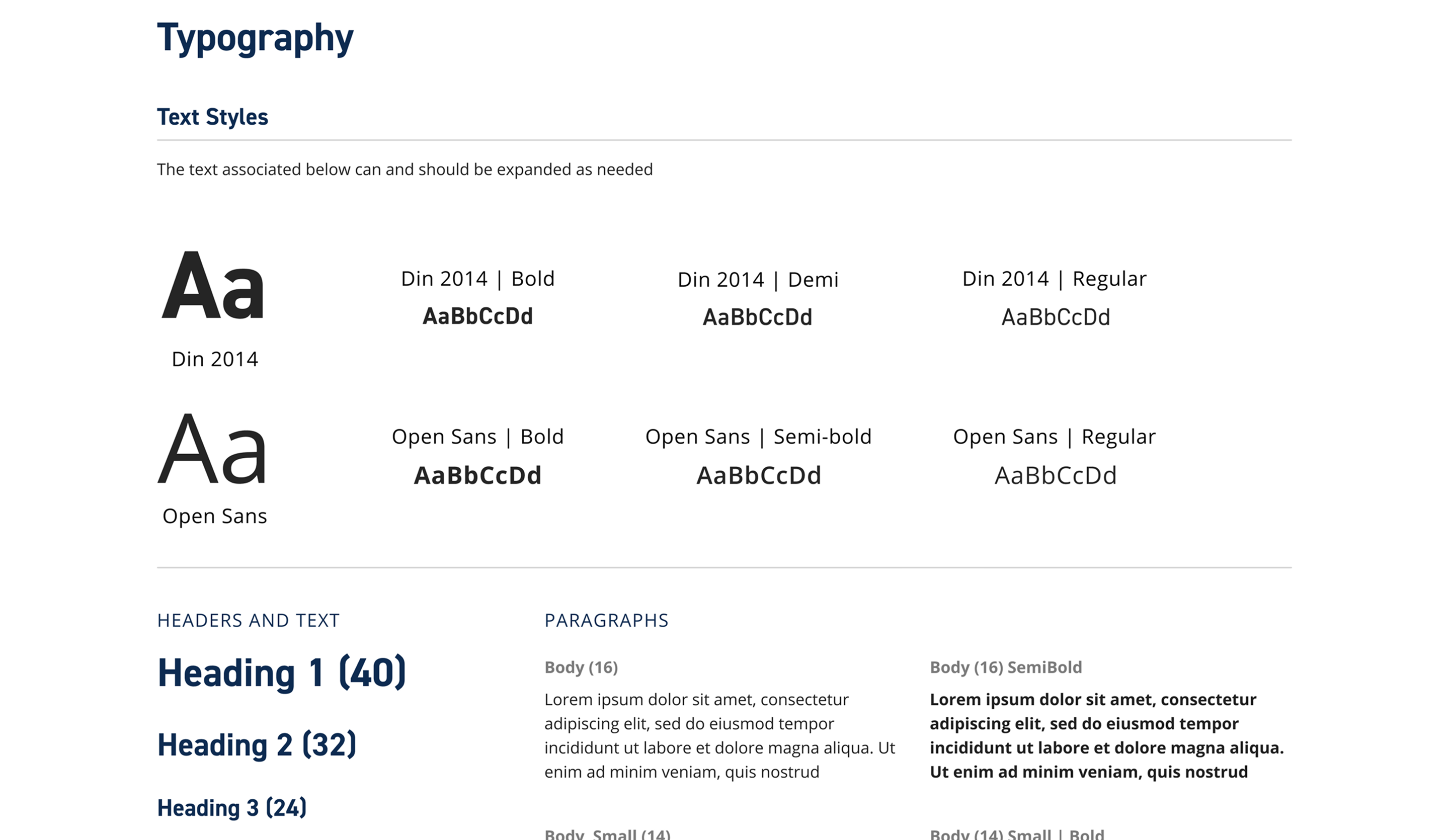
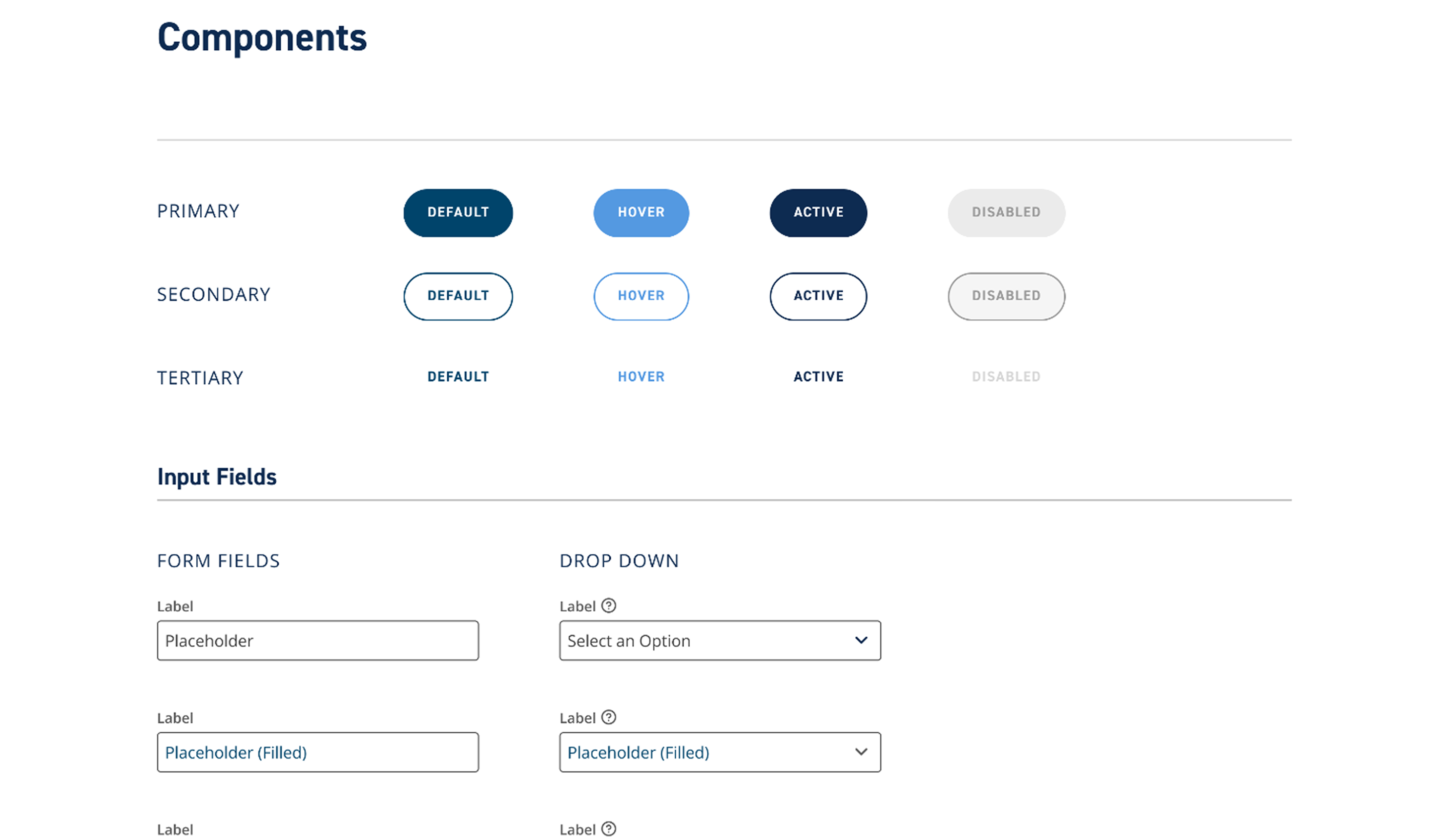
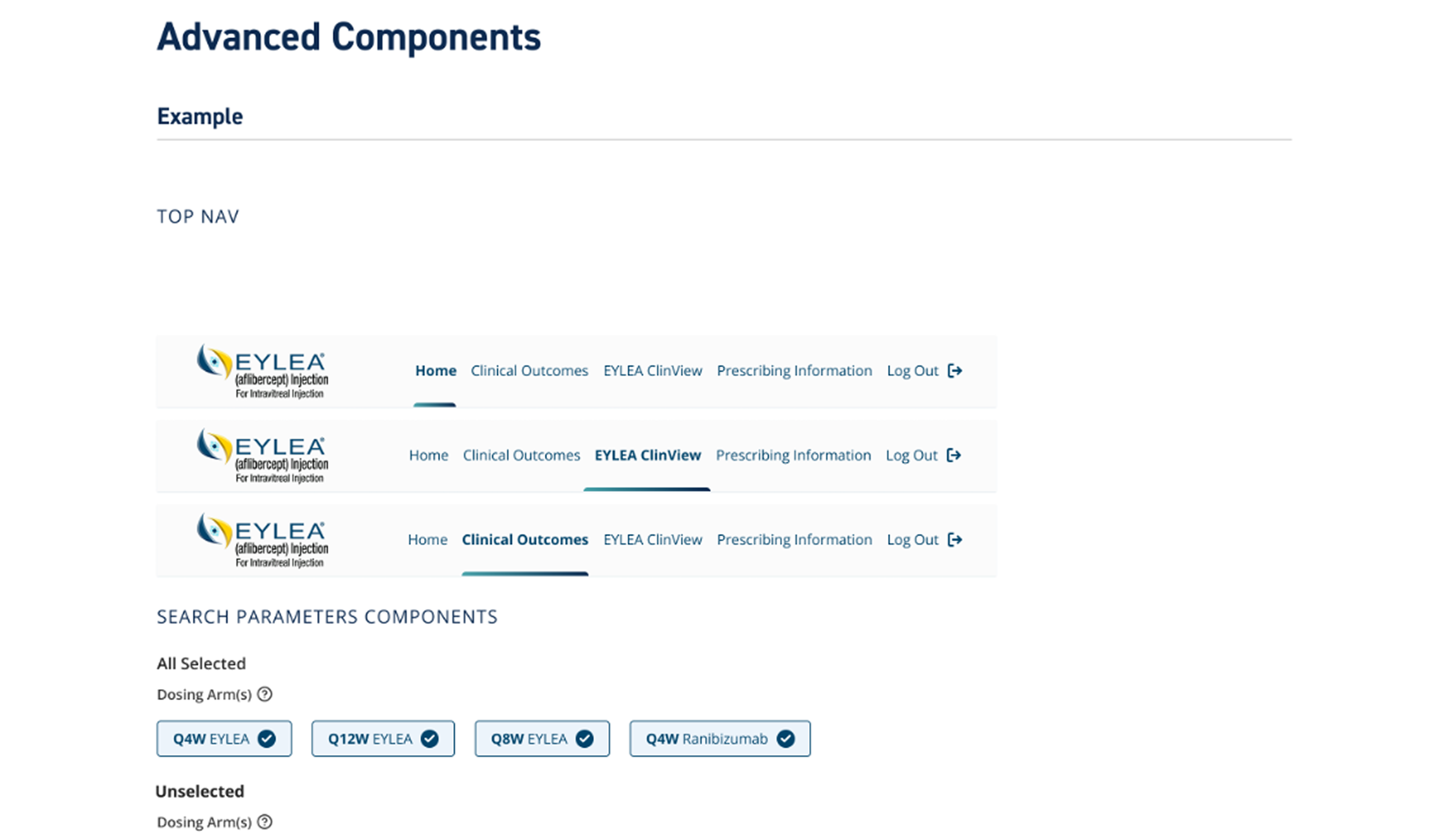
Style guide / Spec Doc

I delivered detailed interaction specs and component documentation to ensure implementation fidelity and alignment across engineering, product, and medical stakeholders.
Close collaboration during build reduced ambiguity and maintained design integrity.

Next Steps

  • Expand saved cohorts with more advanced personalization
  • Enable sharing of patient scenarios with HCPs
  • Continue testing with real-world usage to measure long-term impact

Let's work together

Designing thoughtful, scalable digital experiences. Let’s design something meaningful together.


rhardodesign@gmail.com